

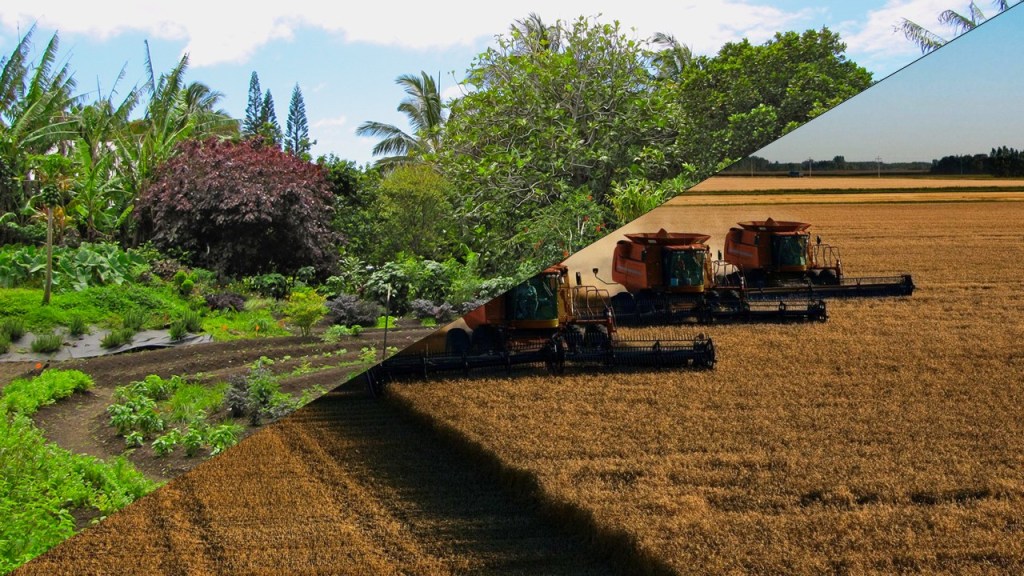
The global experiment with industrial food production has failed. In reality, it failed long ago. It is just now becoming clear to many because the current confluence of world events has torn away any pretense to the contrary.
The United Nations and world governments have been sounding the alarm about a food crisis for months. Most authorities and media pundits blame some combination of the Russian invasion of Ukraine, COVID-related supply chain disruptions, inflation generated by the unprecedented spending on pandemic response, and Climate Change. While these factors have undoubtedly contributed to making a bad situation worse, we must acknowledge that billions of people have been living this food crisis for decades.
In The State of Food Security and Nutrition in the World 2021, The Food and Agriculture Organization of the United Nations (FAO) makes it clear that our current predicament predates the Ukraine war, pandemic, and economic turmoil:
“The world is at a critical juncture: it is very different to where it was six years ago when it committed to the goal of ending hunger, food insecurity and all forms of malnutrition by 2030. At the time, while we understood that the challenges were significant, we were also optimistic that with the right transformative approaches, past progress could be accelerated, at scale, to put us on track to achieve that goal. Nonetheless, the past four editions of this report revealed a humbling reality. The world has not been generally progressing either towards Sustainable Development Goal (SDG) Target 2.1, of ensuring access to safe, nutritious and sufficient food for all people all year round, or towards SDG Target 2.2, of eradicating all forms of malnutrition.”
The FAO report goes on to provide details about the severity of the situation. It shows that moderate and severe food insecurity have been increasing for the past six years and now impact more than 30% of the global population. In 2020, 2.37 billion people did not have access to adequate food, an increase of 320 million people in just one year. After making gains in the first decade and a half of the twentieth century, the numbers of food insecure have been climbing inexorably since 2014.

The is a grim trajectory, and, sadly, the situation is about to get a lot worse. The Global Report on Food Crises 2022 (GRFC), produced by 17 key humanitarian agencies including FAO and the World Food Programme, begins with this assessment:
“Globally, levels of hunger remain alarmingly high. In 2021, they surpassed all previous records as reported by the GRFC, with close to 193 million people acutely food insecure and in need of urgent assistance across 53 countries/territories…. This represents an increase of nearly 40 million people compared to the previous high reached in 2020 ….”
The GRFC focuses on the countries and people most at risk of food insecurity. It relies on the Integrated Food Security Phase Classification (IPC) system, a common scale used by most humanitarian agencies for classifying the severity and magnitude of food insecurity and acute malnutrition. The IPC uses these five distinct phases to give dimension to the threat: (1) Minimal/None, (2) Stressed, (3) Crisis, (4) Emergency, (5) Catastrophe/Famine. People experiencing IPC phases 3, 4 and 5 require urgent support.
- Phase 3: Households either have food consumption gaps that are reflected by high or above-usual acute malnutrition; or they are marginally able to meet minimum food needs but only by depleting essential livelihood assets or through crisis-coping strategies.
- Phase 4: Households either have large food consumption gaps which are reflected in very high acute malnutrition and excess mortality; or they are able to mitigate large food consumption gaps but only by employing emergency livelihood strategies and asset liquidation.
- Phase 5: Households have an extreme lack of food and/or other basic needs even after full employment of coping strategies. Starvation, death, destitution and extremely critical acute malnutrition levels are evident.
We are only halfway through the year, and in 41 out of the 53 countries and territories included in GRFC report, some 181 million people are already forecast to be in crisis or worse (IPC Phase 3 or above). Additionally, in the four countries of most concern – Ethiopia, South Sudan, southern Madagascar and Yemen – 570,000 people risk starvation and death (IPC Phase 5).
So, yes, there is a global food crisis, and it is worse than ever. What many are just now acknowledging is that the crisis has been building for a long time and our efforts to fix it have failed.
Albert Einstein famously said, “Insanity is doing the same thing over and over and expecting different results.” By this definition, the approach humanity has taken to address hunger and food insecurity is nuts!
Current “solutions” prescribe the very same strategies that are responsible for the entwined food and environmental crises we face. More of the same will not lead to a different outcome. It is past time to take a different approach. The small-scale farmers, artisanal fishers, pastoralists, hunters and gatherers, and urban producers who provide 70% of the global food supply and who, ironically, comprise a significant portion of those facing food insecurity, must be at the center of future efforts to address the crisis. Additionally, to have any hope of sustainably reversing food insecurity (not to mention Climate Change and the other facets of the environmental crisis), our approach must protect and restore the natural resources that make it possible to grow food.
The Industrial Road to Ruin
An estimated 2.6 billion people, over 40% of the world’s population, belong to agriculture-dependent households (IAASTD 2009). Moreover, according to the Consultative Group for International Agricultural Research (CGIAR), a global partnership that unites international organizations engaged in research about food security, the agricultural sector directly employs more than 800 million people living in extreme poverty, and their livelihoods are usually derived from small-scale farming (producing on less than two hectares). Yet, for decades, global power structures have favored agricultural intensification by large-scale, corporately controlled farms over strategies that could lift these billions of small-scale farmers and their families out of poverty.
In May 2022, the International Panel of Experts on Sustainable Food Systems (iPES Food) published a report that details how the prevailing trend of agricultural intensification and concentration of control over agriculture, and the persistent failure of policy makers to reform the food system, have caused the ongoing food crisis. It shows how underlying flaws in the global food system (food import dependencies; path dependencies in production systems; opaque, dysfunctional, and speculation-prone grain markets; and, the vicious cycles of conflict, climate change, poverty, and food insecurity) are amplifying the effects of current disruptions stemming from the war in Ukraine and the COVID-19 pandemic. The authors effectively argue that these flaws have been apparent since the 2007-2008 food crisis, and that policy makers failure to correct them has set the stage for the current crisis, which they contend is likely to persist for many years.
I will not summarize the report for you here, but my point about the dangers of industrialization and concentration of agriculture is illustrated by this data rich paragraph:
“According to USDA data, just 7 countries plus the EU account for 90% of the world’s wheat exports, and only 4 countries account for 87% of the world’s maize exports. Together, Russia and Ukraine account for over 25% of world wheat exports, 15% of world maize exports, and over 60% of world sunflower oil exports. Meanwhile, just four companies control 70-90% of the global grain trade…. In addition, many of the biggest food producing and exporting countries are heavily reliant on fertilizer imports from a handful of suppliers in order to sustain their food production, reflecting problematic path dependencies in agriculture.”
Much has been written about the structural adjustment programs and financialization of the food system by corporate actors that has led us to this point. It has been long and frustrating road for the many voices that saw where this was headed but have been ignored. Yet today the foreseeable negative outcomes of the top-down, profit-over-people approach are abundantly clear. Industrial agriculture and the concentration of control over essential resources leads to food insecurity, disempowerment, conflict, poverty, and environmental destruction.
While the loudest voices against the corporatization and industrialization of agriculture came from people outside the power centers, even from within, many could see where we were headed. In 2002, FAO and the World Bank initiated a process that brought together hundreds of global experts to produce The International Assessment of Agricultural Knowledge, Science and Technology for Development (IAASTD) in response “to the widespread realization that despite significant scientific and technological achievements in our ability to increase agricultural productivity, we have been less attentive to some of the unintended social and environmental consequences of our achievements.” The authors go on to write, “We are now in a good position to reflect on these consequences and to outline various policy options to meet the challenges ahead, perhaps best characterized as the need for food and livelihood security under increasingly constrained environmental conditions from within and outside the realm of agriculture and globalized economic systems.”
The IAASTD describes the development model of industrialized nations as the “agricultural treadmill” based on mechanization, the use of agrochemicals, genetic engineering, and other technological solutions. The promise made by those favoring this model was that by increasing external inputs and using modern technology, yields would increase, the unit costs of production would decline and the productivity per worker would increase, which would increase yields and ultimately lower prices. In short, there would be more, cheaper food for the world. From an environmental perspective, it promised that agricultural intensification producing vast quantities of food on large, input-heavy (irrigation, fertilizers, pesticides, genetically modified seeds, etc.), mostly monoculture plantations, while more destructive, uses less land and thus spares land for conservation.
Industrial agriculture’s treadmill approach harbors many problems. First, it forces farmers to adopt the latest price-cutting, yield-increasing measures to stay competitive in the market. Many small-scale farmers do not have the resources or knowledge to do so, and the mechanisms in place to support them, such as agricultural extension services, have been scaled back or eliminated as governments, global institutions, and financial centers threw their weight behind industrial agriculture.
The only farmers who can survive in this type of environment are those who remain one step ahead of their competitors by investing in new technologies and expansion. When a competitor begins to catch up with them, another round begins. More investment in newer technologies, more expansion (often through consolidation by buying up the competition), on and on and on, until we arrive at where we are today. Few people, communities or even countries control their food or essential natural resources any longer or can meaningfully shape the policies that determine their use. Small-scale farmers eke out an existence on marginal land with little to no access to resources or support to improve their production. Control and policy-making rests in the hands of a handful of powerful governments and corporations, which unfortunately also largely control the narrative about how to fix the system they broke, as well as the means to do so.
Killing the Planet and Ourselves
Agriculture is among the human behaviors most rapidly altering ecosystems on a global scale. By the end of the 20th century, croplands and pastures occupied 40% of the Earth’s land surface (Foley et al. 2015). And, despite promises made by agricultural intensification advocates, year after year, agricultural production gobbles up more land. Today, humanity farms half of Earth’s habitable land, and extrapolation of linear trends in the expansion of the agricultural frontier between 1960 and 2000 suggest that one billion additional hectares of land will be converted to agriculture by 2050 to feed the projected world population (Laurance et al. 2014).

With so much of the Earth dedicated to agriculture, how we farm matters a great deal. Over the millennia, agriculture has morphed from a relatively benign, low-impact activity to one that threatens the ecology of the entire planet. Industrial agriculture and the conventional agriculture techniques that have been pushed on many family and small-scale farmers, due to the treadmill effect discussed earlier, have exacted heavy costs on the environment and human health.
The majority of agricultural land conversion in coming decades will occur in the tropics, where it will likely reduce the world’s remaining forest cover by more than a third and have a disproportionate impact on biological hotspots because over half of them are located in the tropical and subtropical ecosystems that will experience the highest population growth and agricultural expansion (Laurance et al. 2014).
In addition to the destruction of life-giving forests and vital habitat, industrial agriculture destroys the nutrient cycling in healthy soils, which is an essential ecosystem service that happens almost everywhere on Earth. Unfortunately, on much of the agricultural lands now in existence, this service along with many others have become oversimplified and are breaking down. In particular, the overuse of toxic inputs undermines nutrient cycling by killing off soil microflora and fauna. This is costly in economic terms because once these tiny invertebrates are gone and the natural nutrient cycling process has been lost (not to mention soil fertility, pest regulation, etc.), constant human intervention and other external inputs (usually agrochemicals) are then required to take its place.
Conventional agriculture’s use of massive amounts of synthetic fertilizers, herbicides and pesticides is poisoning larger forms of life too. For example, the hundreds of millions of tons of synthetic fertilizers used every year for industrial agricultural production, along with other nutrient runoff, have led to eutrophication of countless lakes, rivers, estuaries and marine environments. There are presently some 400 dead zones around the world (Rasul 2016; Kareiva & Marvier 2017). Without enough oxygen in the water, most marine life either dies or leaves these areas, turning them into biological deserts. According to the National Oceanic and Atmospheric Administration (NOAA), in 2021, some 6,334 square miles of the Gulf of Mexico qualified as a dead zone. This is the second largest dead zone in the world.

The occupational exposure to agricultural chemicals and the consumption of herbicide and pesticide-contaminated food and water have been linked to a laundry list of human health concerns, including cardiovascular diseases, numerous cancers, nervous system conditions, and damage to the female and male reproductive systems. Also, industrial agriculture’s use of biosolids – the residual, semi-solid by-product produced during treatment of sewage wastewater – is exposing people worldwide to dangerous Perfluoroalkyl and Polyfluoroalkyl Substances (PFAS). These manmade compounds are often referred to as “forever chemicals” because they do not breakdown in the environment. Industry widely uses PFAS in food packaging, cleaning products, cosmetics, fire-fighting foam, non-stick pots and pans, stain-resistant cloths and upholstery, and just about anything else made to shed water or resist grease. The chemicals move from the digestive systems of humans into the wastewater system, then PFAS-laden biosolids are used as fertilizer and spread on farmland, where they are taken up by crops and often livestock when contaminated crops and crop residues are fed to them. The toxins then cycle back into humans through the food we eat. Peer-reviewed scientific studies have shown that exposure to PFAS can decrease women’s fertility, cause developmental delays in children, increase the risk of many types of cancer, impair the body’s immune system, etc.
The damage done by modern industrial agriculture is likely to persist for millennia. Dupouey et al. (2002) found that intensive farming during Roman times in Western Europe led to changes in soil nutrients and plant diversity that can still be measured nearly two thousand years later. It is reasonable to expect that the effects from modern industrial agriculture, with its heavy use of chemical fertilizers and pesticides, will be even more damaging and long-lasting than the relatively benign methods employed by humans thousands of years ago. Moreover, while it is likely that supporting and regulating ecosystem services may at some point be restored, either after millennia or through human intervention, the many thousands of extinctions of plants and animals that result from agricultural land conversion, chemical extinction, etc., will be irrecoverable.
The loss of forests and biodiversity because of industrial agriculture are problems in and of themselves, yet they also pose a more fundamental threat by undermining the environmental services that make all life possible. Research shows that the elimination of apex predators, such as tigers, that require large areas of undisturbed habitat can upset top-down control of herbivory, which if uncontrolled can result in failed tree recruitment and the conversion of forest to grassland (Estes et al. 2011). And, the loss of forest cover set in motion because of the loss of apex predators can in turn impact tiny arthropod predators, altering net primary production through trophic cascades in the detritus-based food web because insect predators can indirectly affect the amount of leaf litter through trophic interactions that impact decomposition rates, thus impacting nutrient cycling with further impacts on tree recruitment and reforestation (Lensing & Wise 2006). Trees play a vital role in the recharge of atmospheric moisture, which contributes to local rainfall as well as rainfall in distant locations, and winds help circulate and redistribute moisture around the planet. This precipitation recycling is a key aspect of water availability, which of course has major implications for forest regeneration (Ellison et al. 2017). Thus, the destruction of forests, biodiversity and ecosystem services are linked.
The complexity of these interactions illustrates the importance of treading carefully on the Earth. The systems that sustain life are interconnected, and, therefore, destroying any piece of the system can have profound, unanticipated consequences for other aspects of the system. The poisoning of our air, land and water with agrochemicals and the conversion of millions of hectares of natural areas to industrial agriculture have already resulted in unimaginable destruction, and if they go on unchecked, will set in motion a downward spiral that may well end the current iteration of the human experiment. If humans do survive this sixth, anthropogenic extinction, our species will bear the toxic legacy of this maltreatment for millennia through increased illness, less abundance, and an uglier, less diverse biosphere.
The Small-Scale, Ecological Alternative
With a little support, small-scale producers can make enormous contributions to the regeneration of ailing ecosystems while they feed themselves, their neighbors, and the world. In contrast to industrial agriculture, which tends to damage and simplify ecosystems, agroecology conserves and even restores biodiversity and ecosystem functions lost due to decades of abuse by monoculture cultivation and agrochemicals. It is also an essential tool for lifting billions of rural people out of poverty.
Ecologically managed farmland has greater genetic, species, and structural diversity, as well as more complex trophic interactions at multiple scales than industrial farms (Liere et al. 2017). In addition to enhancing on-farm biodiversity and conserving ecological services where it is practiced, when used in the matrix around remaining intact ecosystems, agroecology can improve dispersal between natural habitat fragments by conserving a greater variety of habitat types and by improving the overall quality of the conserved matrix habitat (Liere et al. 2017).
Moreover, Miguel Altieri, a renowned agroecologist, asserts that “Benefits of agroecologically designed integrated farming systems extend beyond conserving biodiversity as they produce far more per unit area than do monocultures…. Yield advantages can range from 20 to 60% and accrue due to reduction of pest incidence and more efficient use of nutrients, water and solar radiation (Altieri 2019).”
In addition to its numerous ecological and productivity advantages, agroecology makes good economic and social sense. The International Fund for Agricultural Development, an international financial institution and a specialized agency of the United Nations, and FAO both acknowledge that agroecology plays a critical role in helping rural people escape poverty, promotes equity, and strengthens resilience to Climate Change and other shocks. Ample empirical evidence also exists in support of agroecology’s positive economic impacts. A 2019 study by European researchers concludes:
“Taken together these results shows that agroecology is far from being a ‘second-best’ type of agriculture with a limited potential for providing adequate incomes to those who work in it. By contrast, this paper shows that agrecology generates levels and stability in incomes and employment that are all, under current circumstances, superior to those generated by conventional and industrial farming (Van der Ploeg, et al. 2019).”
Finally, there is growing evidence that ecological agriculture can play a meaningful role in arresting Climate Change by sinking huge amounts of carbon. Project Drawdown published its analysis of the 100 most effective solutions for mitigating and reversing climate change – those that can ‘draw down’ the greatest amount of greenhouse gases between 2020 and 2050 (avoid emissions and/or sequester carbon dioxide). The goal is not only to limit and stop the growing concentration of greenhouse gases in the atmosphere, but to reverse and decrease that concentration. Project Drawdown’s coalition of scientists and experts focused on viable solutions that already exist in the world. They used rigorous analysis and modeling to rank them according to benefits (gigatons of carbon reduction) and the total costs (or in most cases net savings) of implementing them. Of the 100 top solutions identified, 12 of the top 20, and 19 of the top 40 are categorized under more sustainable ‘Food’ production and consumption, and ‘Land Use.’ Together these solutions are projected to contribute a total of 44.8% of the total goal for carbon drawdown and generate 15.3% of net projected savings (over US$ 2.265 trillion) (Drawdown 2019).
Agroecological techniques that contribute to conserving and restoring biodiversity and ecosystem functions include: increasing crop diversity (number of species and genetics); enhancing the structural mosaic through small, scattered fields; replacing monocultures through crop rotations and with cover crops; establishing perennial crop components, which often include agroforestry systems, and reducing soil disturbance by using no-till or minimum tillage techniques; applying compost and green manure to enhance soil biodiversity and fertility; and, establishing or maintaining hedgerows or other natural areas in and around fields to host natural enemies of agricultural pests, interrupt the dispersal of disease inoculum and create barriers for pest movements (Altieri 1999). These techniques are low cost, require few external inputs, and are easy to apply with a little training and support. This means they are scalable if the political will can be garnered to put people and nature ahead of corporate profits.
The superiority of agroecological farming is clear. Ecologically managed farmland produces more food than industrially managed land in a way that protects all life, lifts people out of poverty, and helps heal the Earth. Yet, agroecological farming receives only a fraction of the support that conventional and industrial agriculture do. This is not because there is a lack of evidence or even a lack of knowledge of the evidence among policymakers. Certainly, the field continues to evolve, and more is learned every day that improves the practice of agroecology, but we must be clear that the widespread adoption of agroecology is not a matter of whether it works and if it can work at scale. We know it can.
The problem is money. Quite simply, there is too much money and power supporting the industrial agricultural paradigm. Governments worldwide spend more than $700 billion on agricultural subsidies, and the lion’s share goes to conventional and industrialized agriculture. More than $500 billion goes to direct payments to producers, and the rest is spent on research, infrastructure, and nutrition assistance programs.

Most farms are small, yet a disproportionate amount of direct payments and other agricultural support goes to large farms. In the European Union (E.U.), where three quarters of farms are smaller than 10 hectares, 80% of subsidies go to the 20% of largest farms. This represents a huge boon for industrial farms, as farm subsidies total about €60 billion annually (a third of the E.U.’s total budget). U.S. farm subsidies, which annually total about $20 billion (though they jumped to $50 billion in 2020 because of the pandemic) are even more concentrated toward large producers than Europe’s. The top 20% of recipients received 91% of subsidies between 1995 and 2020, while 60% of U.S. farms typically receive no subsidies.
Subsidies are a huge, unfair advantage for those who obtain them. In 2019, U.S. agricultural subsidies represented just over 20% of the net income for recipient farms. It is worth noting that for all the attention paid to U.S. farm subsidies, the country does not rank in the top 10 of nations in spending as a percentage of total gross farm revenue. Also, China dwarfs the U.S. in total farm subsidies. It spends four times as much as the U.S., and more than the U.S., E.U., and Japan combined.
Given this unequal playing field, it is a wonder that small farms survive at all. It reflects the higher income generating potential of small-scale (and agro-ecological) production. If this was not the case, these farms would have gone out of business long ago (Van der Ploeg, et al. 2019). Shifting more government support from industrial farming towards agroecology would begin to level the playing field, dramatically strengthening the already significant contributions that small-scale and agroecological production make in providing healthy food, dignified employment, and essential environmental services (Van der Ploeg, et al. 2019).
A 2021 report titled “A Multi-Billion-Dollar Opportunity: Repurposing Agricultural Support to Transform Food Systems” unequivocally supports this position and the overall negative impact of current subsidies. The authors – FAO, the U.N. Development Programme, and the U.N. Environment Program – write:
“The way governments around the world support agriculture is a factor in the global and environmental challenges that agri-food systems are facing. Current support to agricultural producers worldwide works against the attainment of the SDGs, the targets of the Paris Agreement and our common future. This support is biased towards measures that are harmful and unsustainable for nature, climate, nutrition and health, while disadvantaging women and other smallholder farmers in the sector.”
Growing healthy food for all while conserving what remains of natural ecosystems and restoring those that have been destroyed demands we transition from industrial food production to ecological agriculture. To make this shift possible, policy makers at all levels of government must be freed from the constraints imposed upon them by special interests that have, so far, condemned us to double down on insanity. I am not optimistic this is possible in any reasonable time frame. In the absence of leadership from the top, people must take individual action and organize in their own communities to push the transition to agroecology. One day the policy makers will come to their senses – I hope.
Bottom-Up Solutions to the Global Food Crisis
It will take decades to fully reverse the environmental and social devastation inflicted by the industrial food system. Yet, even in the most degraded ecosystems and in the countries and communities wholly colonized by corporate agriculture, prompt and robust action can avert the worst hunger, instill a sense of hope, and begin the process of regeneration.
The recent iPES Food report outlines the following urgent actions to address risks from immediate food insecurity and to kick-start the transformation to a more sustainable and equitable food system:
- Provide financial assistance and debt relief to vulnerable countries to free up their governments’ resources to pay skyrocketing food import bills and to invest in social protection systems for those suffering the worst food insecurity.
- Crack down on commodity speculation and put tighter regulations on aspects of the highly financialized agro-food industry that drive up prices and make it difficult for countries to secure the food they need to feed their populations.
- Build regional food security initiatives and grain reserves to help countries weather periods of high prices and poor harvests.
- Strengthen the global food aid apparatus to ensure global flows of food exports and food aid during times of crisis.
- Find alternative suppliers (and provide financial assistance to mitigate the costs) for countries that have historically depended on regions, such as Ukraine and Russia, where commodity production or exports have declined.
- Reduce the non-food uses of crops, such as the use of potential food for fuel, until the food crisis has been overcome and other steps have been taken to create a more sustainable system.
- Ensure a more diverse mix of local and global supplies for essential inputs, such as fertilizers, when there is no ecological and/or locally produced alternative.
- Support context-specific approaches that enable developing countries to rebuild a self-sufficiency in key staple foods and shift to more resilient traditional crops. This must be done in tandem with re-diversifying food consumption to support the markets for traditional crops.
- Shift from industrial agriculture to diversified agroecological systems that are less dependent on external inputs (including synthetic fertilizers and fuel) and which are more resilient in the face of Climate Change and other shocks.
Points 1 through 6 from the list above fall largely in the domain of policymakers. Individuals and organizations must advocate for these changes, and, in the meantime, we must redouble our efforts to further activities related with points 7, 8, and 9.
Fortunately, thousands of community-based organizations (CBOs) and non-governmental organizations (NGOs), including Groundswell International, have been working to protect intact local food systems and to rebuild many that had been dismantled. Today, just Groundswell and its 10 partner NGOs support 620 grassroots organizations and more than 155,000 small-scale farmers to produce healthy food and regenerate nearly 300,000 hectares of degraded land using agro-ecological techniques. Our programs meet people’s immediate needs for food and water, safeguard farm livelihood assets to stop the downward spiral of impoverishment, sustainably increase incomes for rural households, strengthen farming systems to make them more resilient to Climate Change, and regenerate the environment to restore biodiversity, prosperity and wellbeing.
In response to the acute phase of the food insecurity crisis, Groundswell is focusing on two main strategies that contribute directly to the two iPES recommendations listed above:
- Establishing community grain reserves to reduce immediate food insecurity and prevent farmers from succumbing to the debt/poverty/food insecurity trap; and,
- Rapidly regenerating soil biology and fertility without chemical fertilizers to increase productivity, make farm systems more resilient, and begin regenerating the natural resource base small-scale farmers rely upon.

Establishing Grain Reserves
Household and community grain reserves provide an important buffer against growing food insecurity caused by spiking food prices and disruptions to long supply chains. Each year after harvest, small-scale farming households typically store some of their grain for consumption and sell the rest to middlemen because they lack adequate storage. Selling grain right after harvest fetches the lowest price, because everyone is selling at the same time.
For example, in Burkina Faso, farmers harvest and sell grains (millet, sorghum, maize, peanuts, cowpeas) between October and December. During this period, a 100-kilogram sack of grain sells for about USD $16. In contrast, between May and August when household grain supplies dwindle and before the next harvest (a period known as the ‘hungry season’), grain can be sold for more than double the price – $37 for a 100-kilogram sack – paid in harvest season. During the hungry season, families must purchase their own grain back from middlemen at this much higher price, often using credit or selling assets to do so. Farmers know they can get a much better price if they wait to sell, yet they cannot wait because they need money to cover basic needs, such as food staples they cannot produce, children’s school fees, and healthcare costs. This vicious cycle pushes many deeper into poverty. And now, with food prices at all-time highs in much of the world, the meagre income millions of farmers earn from selling at inopportune times will be insufficient to afford food sold at the higher prices, putting them at the mercy of food aid programs.
Investing in community grain reserves (called grain banks in much of Latin America and the Caribbean and warrantage systems in West Africa) is a straightforward way to head off this debt/poverty/food insecurity trap. It only requires the refurbishment or construction of a small building for grain storage; organizational guidance and training to set up committees of community members to manage the grain reserve; and, help to capitalize a small credit fund that is paid into and managed by grain bank participants.
At harvest time, farmers ‘deposit’ their grain in the bank, essentially as collateral, and receive a low interest loan (far below the rates of local moneylenders) from the group they belong to. They then have access to money to meet immediate needs, for labor and inputs for the next planting season, and for other economic activities (e.g., purchasing livestock to fatten and sell). As they still own their grain, when the price rises farmers sell their stored grain, pay off their loan, and keep the profit – thereby increasing rather than depleting household assets. The cycle continues year after year, and the grain bank’s credit fund grows to allow for larger loans to members. As it grows, the increasing resources also permit more households to join the bank.
A typical warrantage grain reserve in Burkina Faso benefits 200 households, or approximately 1,200 people women, men and children. It stores 10 metric tons of grain (millet, sorghum, maize, peanuts, cowpeas) worth about $1,606 at harvest time but $3,695 at the time of sale. This difference of over $2,000 stays with families, instead of going into the pockets of middlemen. Evaluations show that food security from local production and storage in villages with grain banks increases from an average of seven to an average of eight months a year. This increase of at least 14% in food security is highly significant in these extremely challenging circumstances. Households also benefit from the access to low interest loans, avoiding the exorbitant rates of moneylenders.
Improving Soil Fertility Without Chemical Inputs
Chemical fertilizers are increasingly inaccessible and have become too expensive for most small-scale farmers, and while they may provide short-term productivity increases, over the medium and long term they degrade soil fertility, which limits food production. Instead of distributing or subsidizing synthetic fertilizers, Groundswell’s network supports farmers to organize participatory platforms for catalyzing local innovation and decision making on regenerative agricultural practices that can replace most, and often all, external inputs. These platforms typically include proven methodologies such as Farmer Field Schools (FFS) and Local Agricultural Research Committees (CIALs).
Farmers participating in the FFSs and CIALs test low or no-input agricultural practices known to improve soil fertility and strengthen farmer and community capacity to reduce risks associated with drought and erratic rainfall. Each FFS or CIAL is led by a Farmer Champion with support from program staff experienced in agroecological methods and techniques. Interested small-holder farmers are engaged to manage demonstration plots on their own farms, testing specific agroecological practices, such as soil and water conservation barriers, zero tillage[1], permanent soil cover[2], green manures[3], farm diversification and agroforestry, biological soil inoculants, and rainwater harvesting[4], which help moderate dry spells between rain events and extend the growing season by increasing soil fertility and moisture retention. These practices enable households to reactivate their production in the near term while also increasing long-term drought resilience. Demonstration plots give cohorts of farmers the opportunity to practice and test the techniques, assess their effects, gain knowledge and experience, and disseminate effective practices to other farmers facing the same constraints.
The FFSs and CIALs use a facilitated, participatory, learn-by-doing, gender-responsive innovation process to strengthen the competencies needed to increase productivity and production through climate adaptation and improved management and restoration of soil and water resources. This type of farmer-to-farmer innovation and extension methodology is the best way to efficiently reach the maximum number of people, increase adoption rates (farmers learn best from their peers), and empower vulnerable people to innovate and lead their own development without NGO support.
The Math Makes Sense
These two activities are low-cost and high impact. With a modest investment, we can implement them immediately and widely.
Using the example from Burkina Faso, it costs about $15,000 to set up a community grain reserve for a village of 200 households. This covers building costs, matching capital for the credit fund, training of the management committee, and training in post-harvest processing and grain storage to avoid spoilage and losses from pests. Pairing this strategy with training on ecological farming practices in the same community of 200 households requires another $10,000/year for at least three years (or $30,000 total). Thus, an investment of just $45,000 ($225/household or $37.50/person) can prevent the worst food insecurity and put a whole community on the path to food security and resilience while beginning to restore the ecosystem upon which they depend.
Costs will, of course, vary by country. Some places will require greater investments than Burkina Faso and others, like Nepal, much smaller investments to achieve similar results. Nevertheless, using this estimate, it would take just 5% ($35 billion) of the $700 billion world governments currently spend annually on agricultural subsidies to establish grain reserves and support agroecological innovation and training processes for the 800 million people living in extreme poverty, most of whom are small-scale farmers. If we deployed the whole $700 billion to promote food security and agroecology, we could invest $270 in each of the $2.6 billion people who belong to agriculture-dependent households.
The math makes too much sense to ignore. We know what to do and how to do it. The money we need is already being spent on agricultural subsidies, which go mostly to industrial farms. Now we just need to invest it in the people who truly feed they world.
 Aegis Conservation Ecology & Regenerative Development LLC
Comments