

-
Latest post
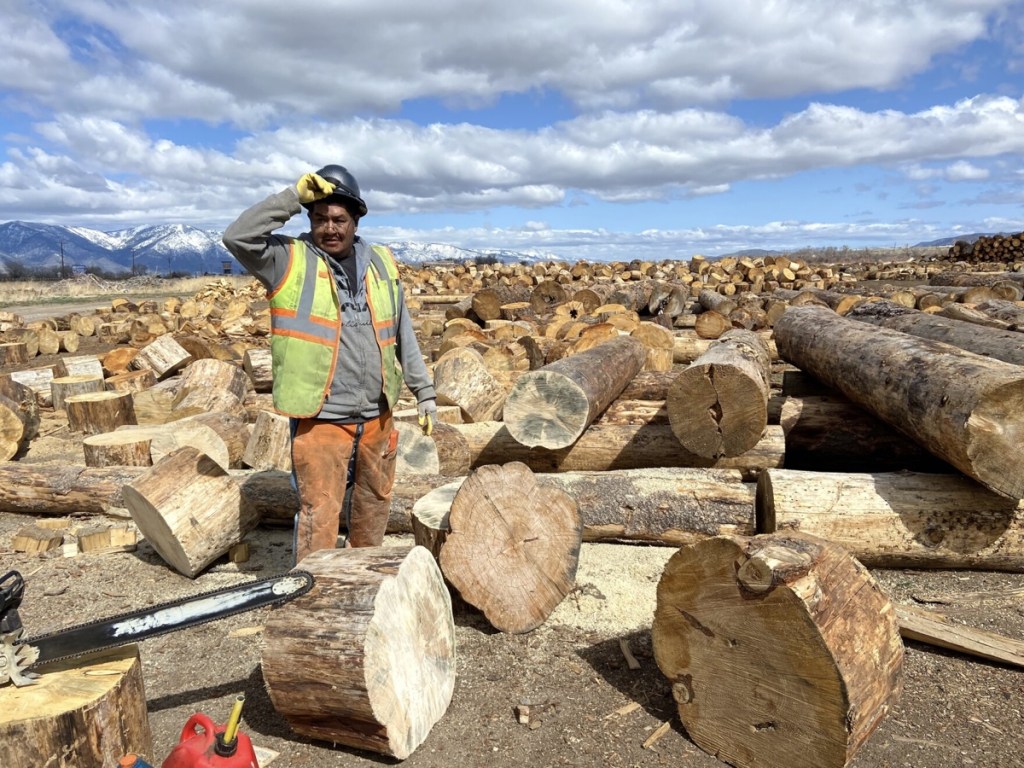
A Tribal model for energy security & forest resilience
Over the past three years, Aegis Conservation has been fortunate to be part of the Forest Business Alliance (FBA)—a network of individuals and organizations dedicated to supporting small, local, tribal, and community-based forest businesses through technical assistance, peer learning, and capacity-building. Launched in 2022 with a three-year, $1 million grant from the California Department of Keep reading →
-
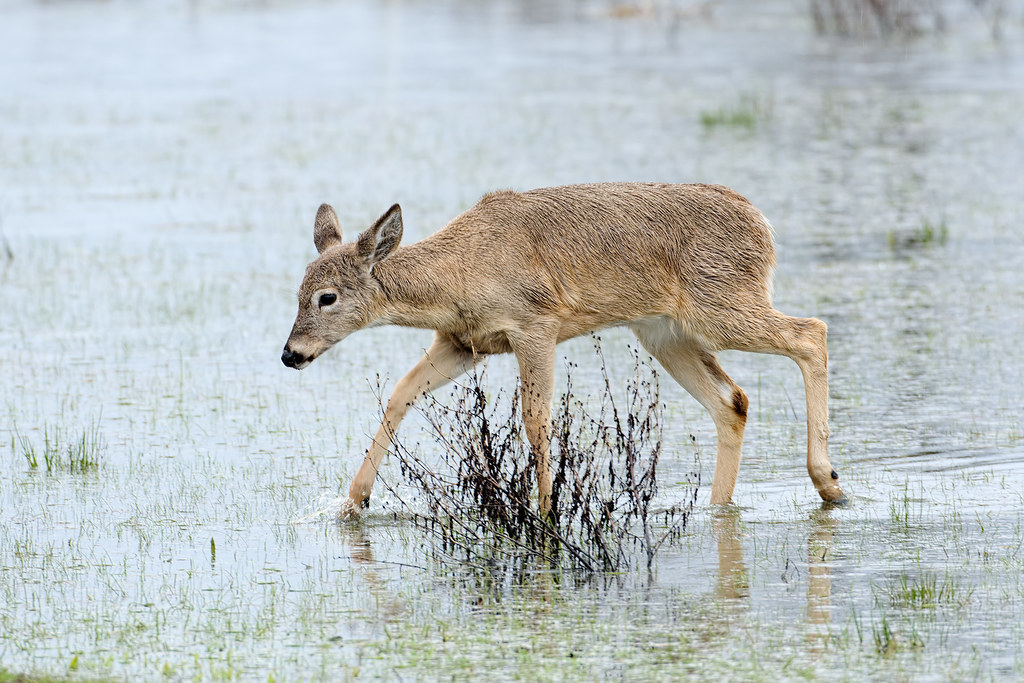
The hidden toll: how disasters impact wildlife and how you can help
Hurricane Helene ranks as the third-deadliest hurricane of the modern era and economic losses will likely exceed $50 billion – but what about its impact on wildlife? Keep reading →
-
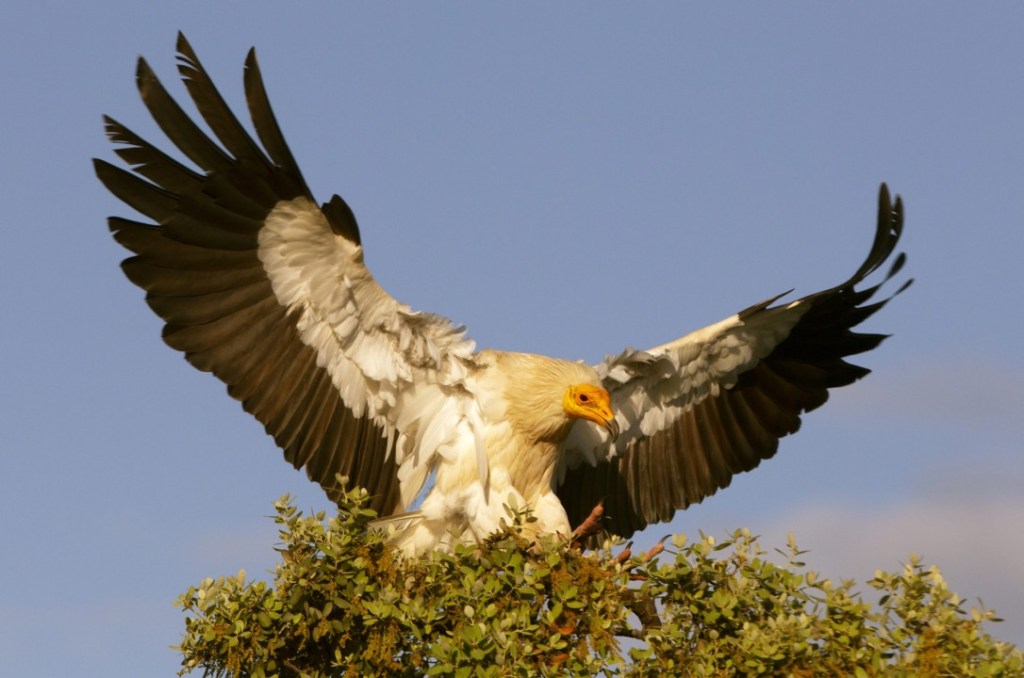
As the Egyptian vulture goes, so goes the world’s biodiversity
As the Egyptian vulture goes, so goes the world’s biodiversity. Hyperbole? No, not at all. Today, more than 41,000 species face possible extinction, including 41% of the world’s amphibians, 27% of mammals, and 13% of birds. The current extinction rate is estimated to be 1,000 times higher than natural background rates, and many experts fear… Keep reading →
-
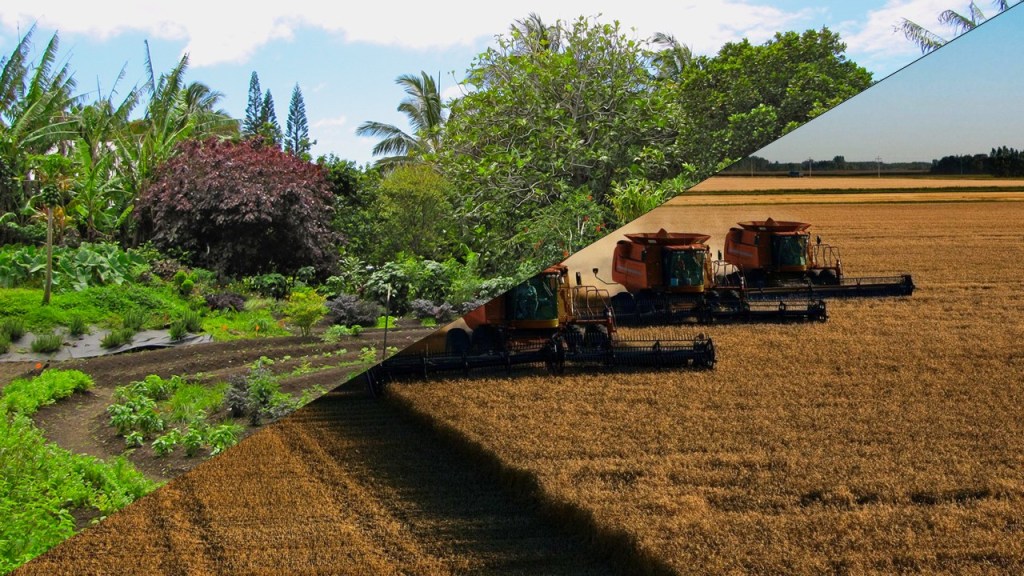
Accelerating ecological farming to address the global food insecurity and environmental crises
The global experiment with industrial food production has failed. In reality, it failed long ago. It is just now becoming clear to many because the current confluence of world events has torn away any pretense to the contrary. With a little support, small-scale producers can make enormous contributions to the regeneration of ailing ecosystems while… Keep reading →
-

Conserving the Cubango-Okavango River Basin, one of the largest remaining, near-pristine river basins on Earth
The Cubango-Okavango River Basin (CORB) is vital for global biodiversity, spanning 700,000 square kilometers across Angola, Botswana, and Namibia. Its ecosystems support one million residents and provide essential services. The CORB Fund aims to facilitate sustainable development, with investments potentially yielding a benefit-cost ratio of 7-to-1, safeguarding both the environment and local livelihoods. Keep reading →
 Aegis Conservation Ecology & Regenerative Development LLC